
灏序新作|美的觉醒

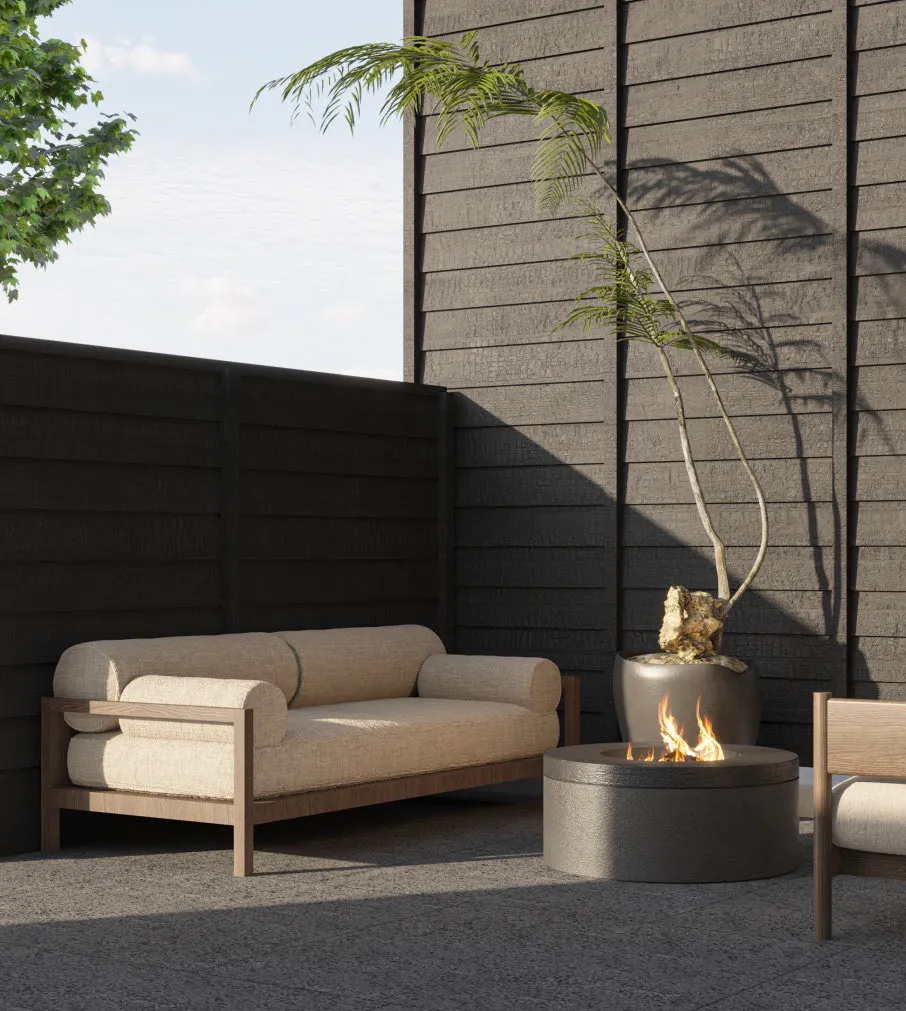

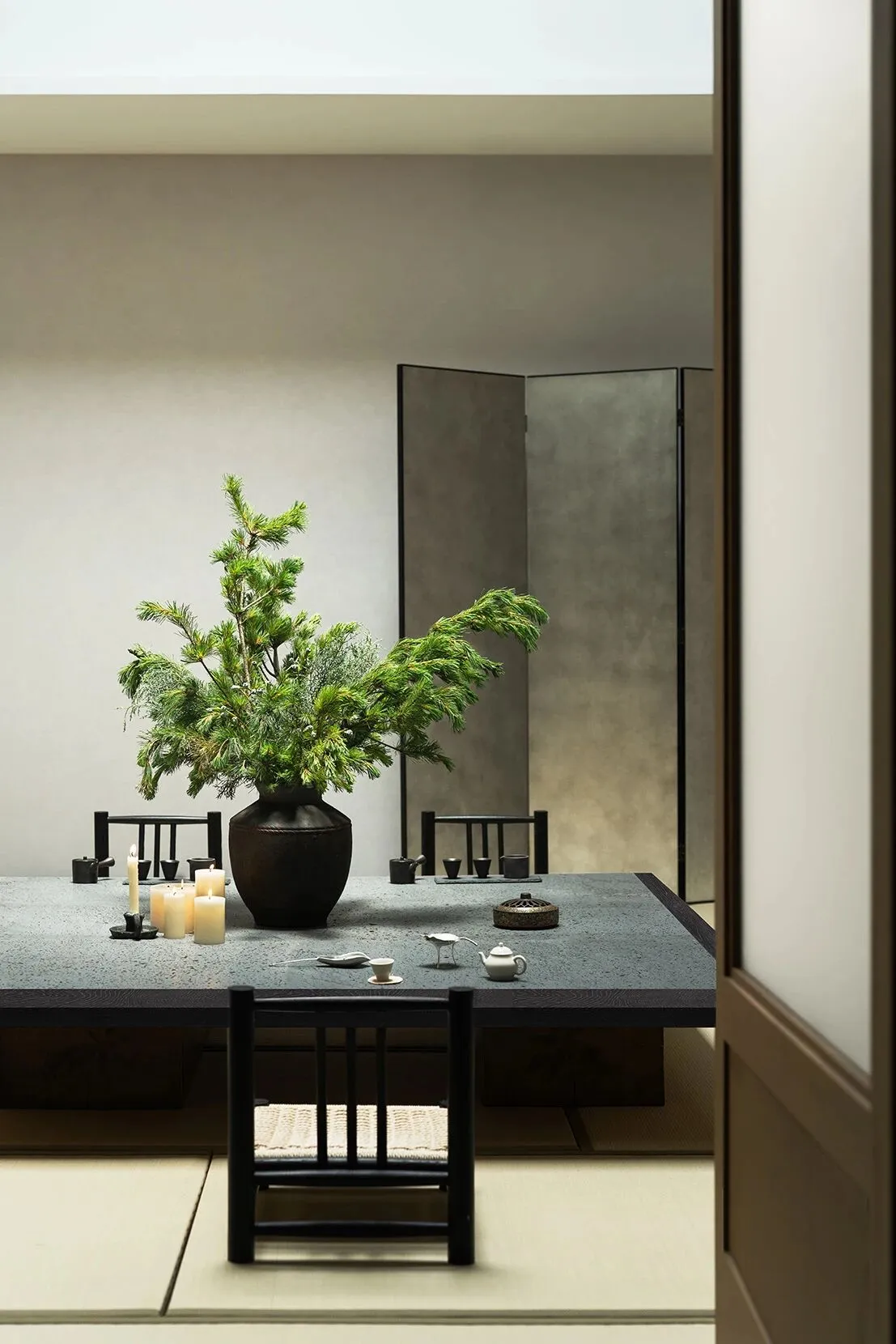
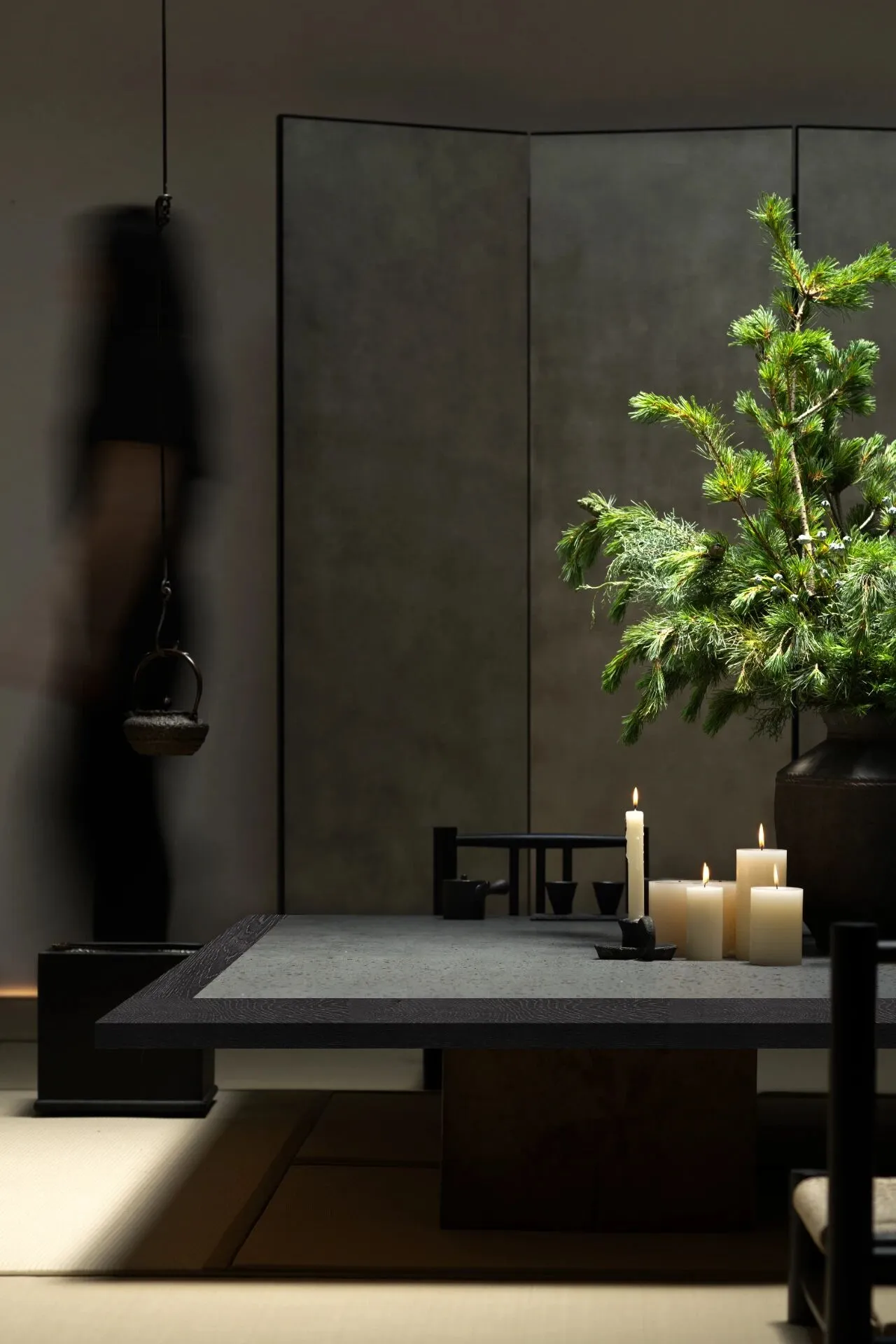
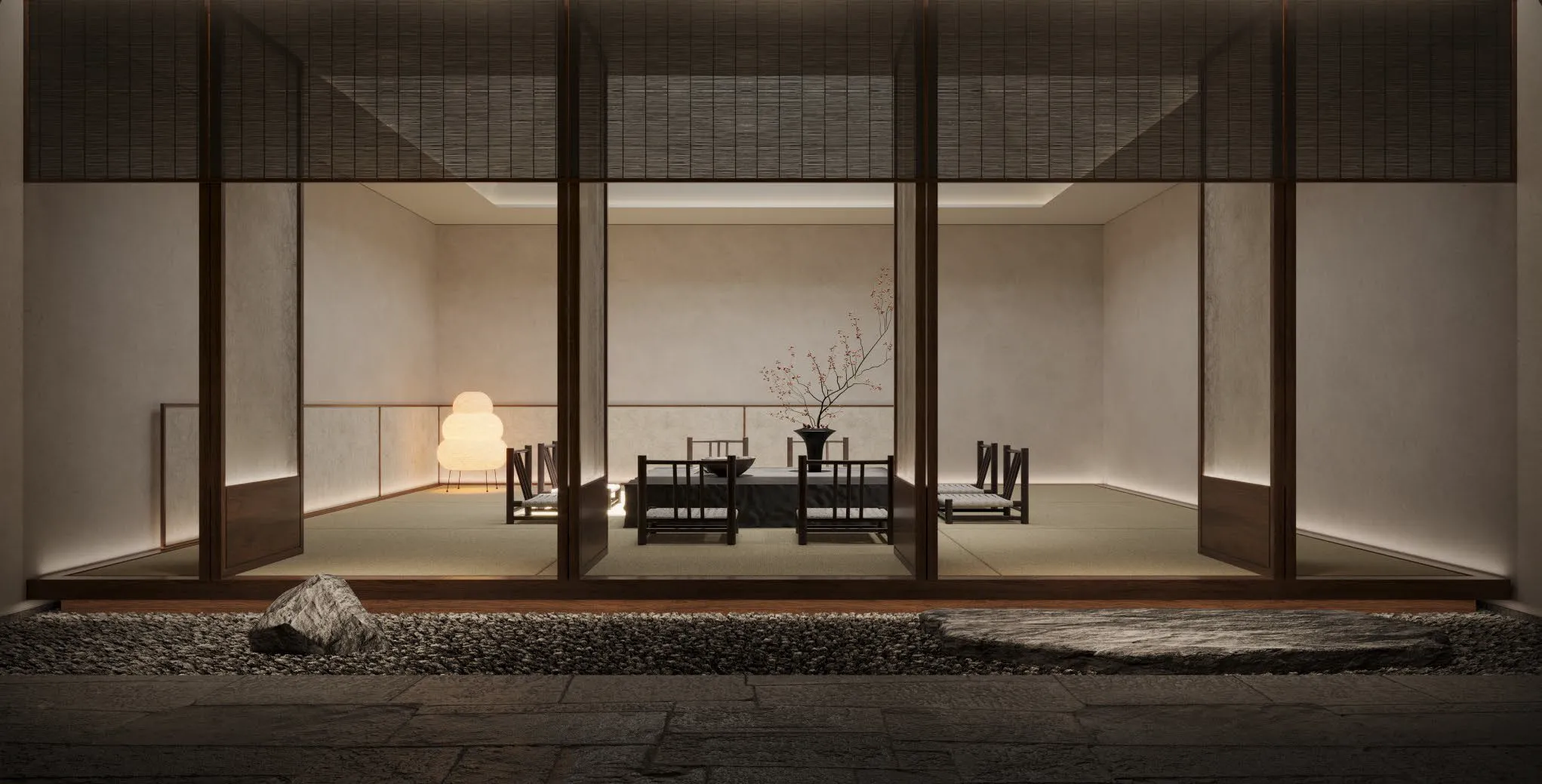
於繁華熙盛大都會上海覓得一隅靜謐之處療愈之所,恍兮惚兮,其中有物。在這種亦真亦幻、似有似無的意境中,才能看到萬物的景象和本質。空間意旨營造東方陰翳之氣韻,着重建築空間的塑造,質璞的材料,深色洞石與鬍桃木爲整個空間的基調,使之傳遞出一種幽寂的鬆弛,休閒區朦朧竹簾遮掩隔絶了室外的喧囂,體量的組合構成連結了公共區與私密區,保留建築原有的樓梯扶手,打磨掉舊的色彩,露出木頭本來的肌理,茶室上方破開一個洞,如是天光灑下來,在建築中交錯映照的光影,既創造出隨時序變化的動態之美,又賦予空間不同的麵貌和靈魂,茶室銀箔朦朧的反光,斑駁的鐵器、幽寂的光線、幹枯的枝蔓,這種外在時間的洗禮,使得反而有了返璞歸真的美感,幽玄、斂藏,模模糊糊不明晰卻又飽含神秘的東方美學,讓客人在此做SPA之餘,身心靈是不設防的是舒緩的是放鬆的一種享受……
In the flourishing and resplendent metropolis of Shanghai, one may discover a secluded sanctuary of stillness and healing.Vague and elusive, yet within it there is substance.Only within such an atmosphere—at once real and illusory, present and absent—can the myriad forms of existence reveal both their appearances and their essence.The space seeks to evoke the subtle tonalities of Eastern shadow and depth, placing emphasis on the shaping of architectural form. Honest, unadorned materials—dark travertine and walnut—establish the fundamental palette of the interior, conveying a sense of quiet seclusion and gentle repose. In the lounge area, gauzy bamboo screens filter the light and softly shield the interior from the clamor of the outside world. The interplay of volumes links public and private zones, creating a seamless spatial dialogue.The building’s original staircase railing has been preserved; its former coatings carefully removed to reveal the wood’s natural grain and texture. Above the tearoom, an opening has been carved into the ceiling, allowing daylight to pour down as if from the heavens. The interwoven play of light and shadow animates the architecture, generating a dynamic beauty that shifts with the passage of time, while granting the space evolving expressions and spirit.The faint shimmer of silver leaf in the tearoom, mottled ironware, hushed lighting, and withered branches together bear the imprint of time’s quiet weathering. Paradoxically, this patina of age gives rise to a beauty that returns to simplicity and authenticity.Subtle, restrained, and imbued with a veiled mystique—an Eastern aesthetic that is indistinct yet deeply evocative—the space invites guests, while enjoying their spa experience, to lay down their defenses. Here, body, mind, and spirit are soothed, unguarded, and gently released into a state of profound relaxation.
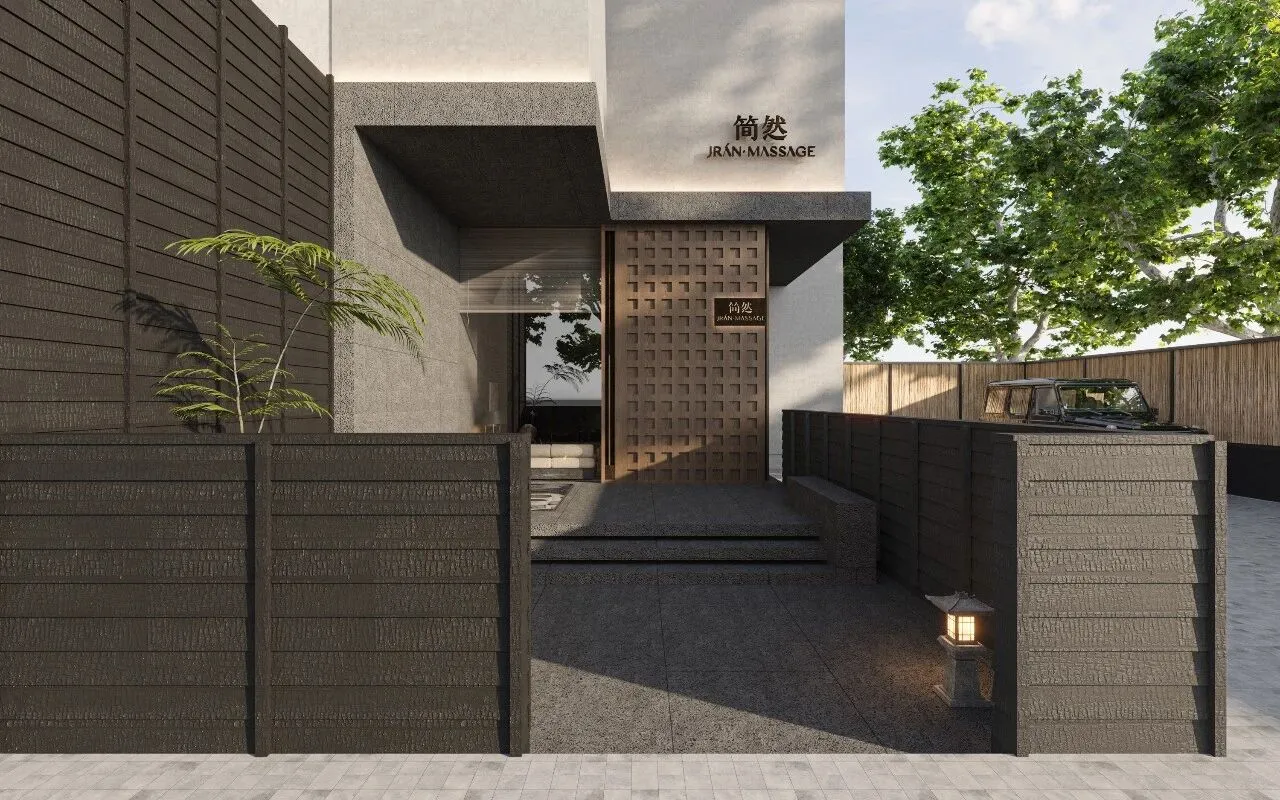
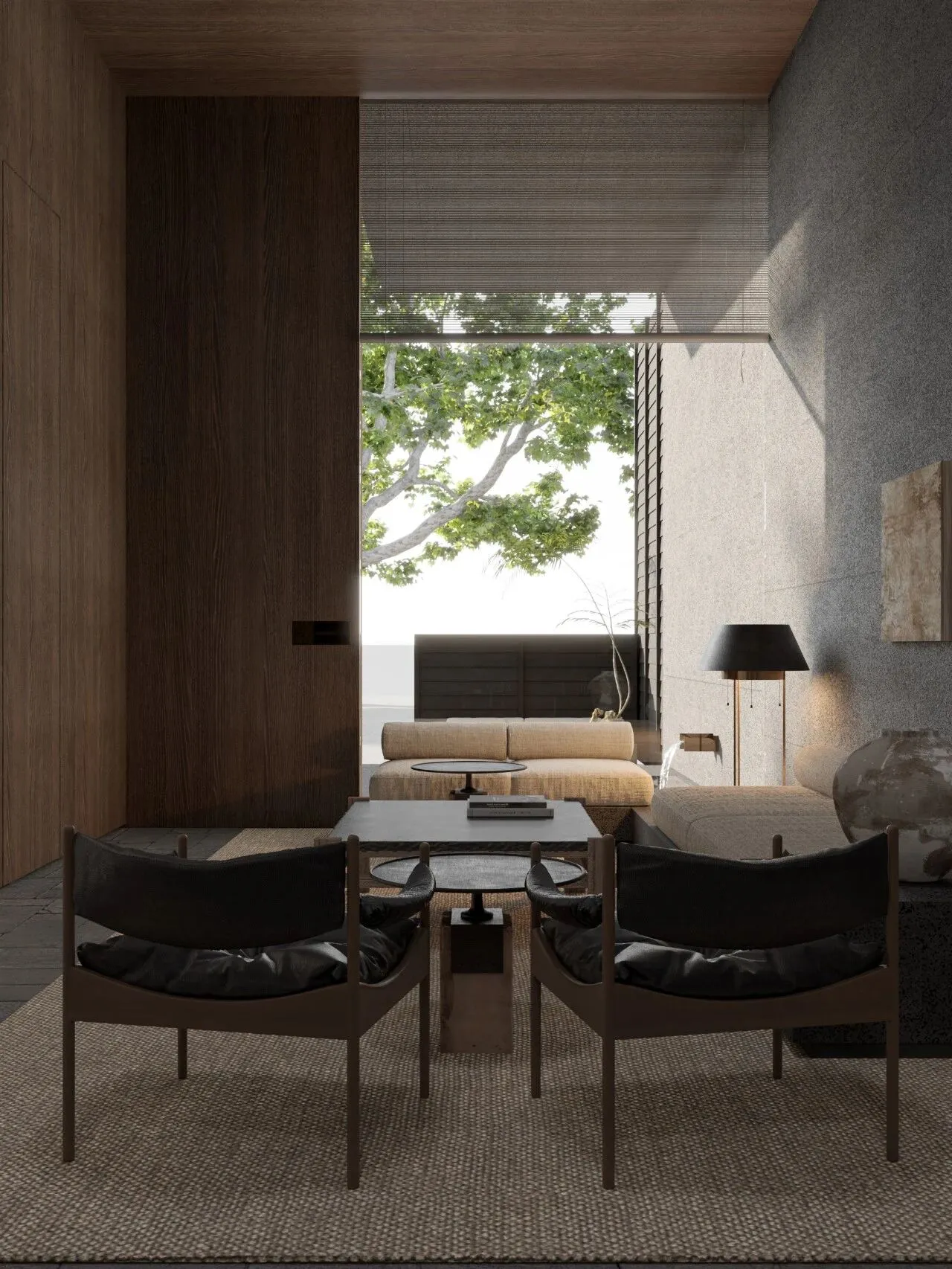
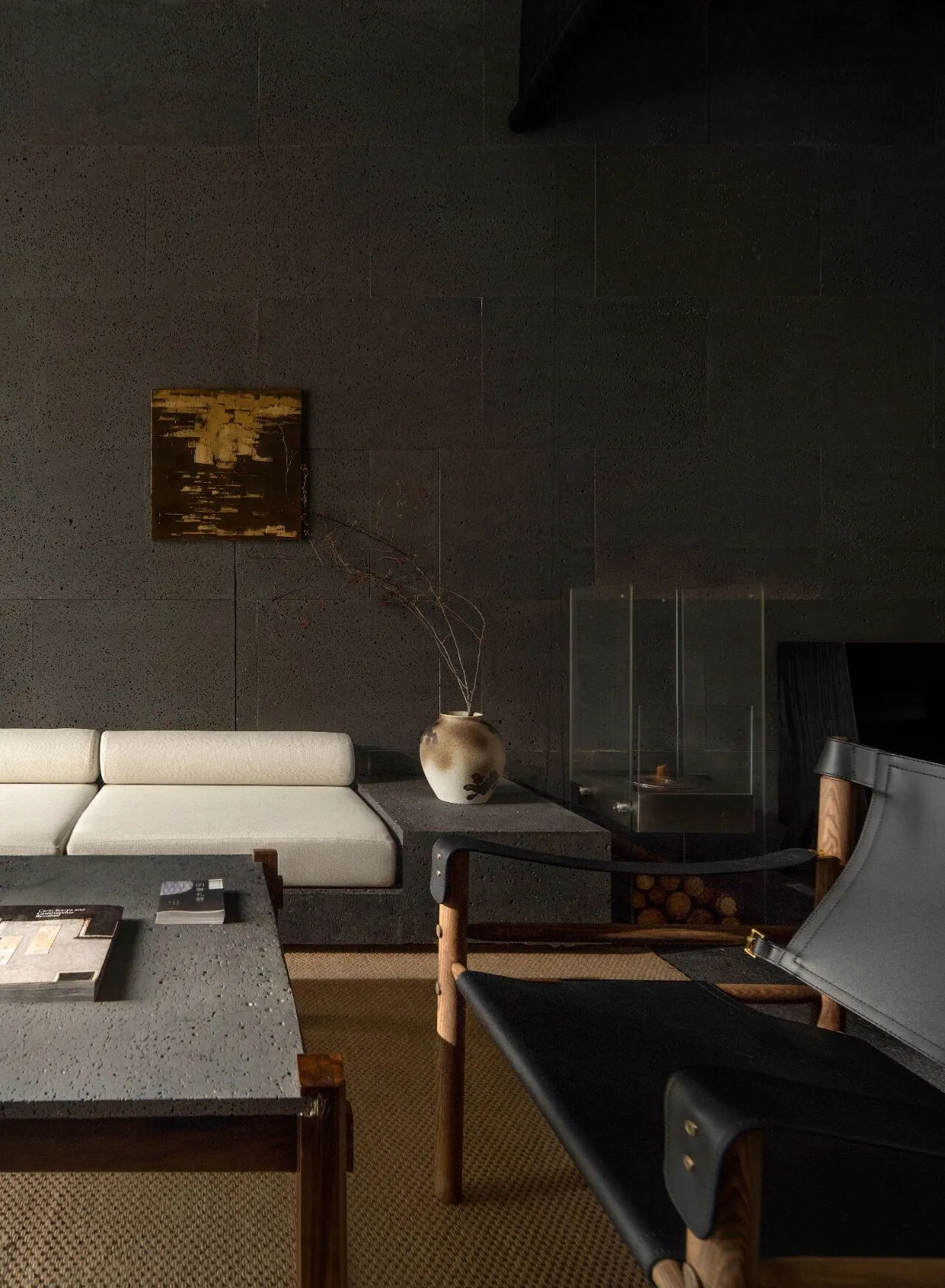
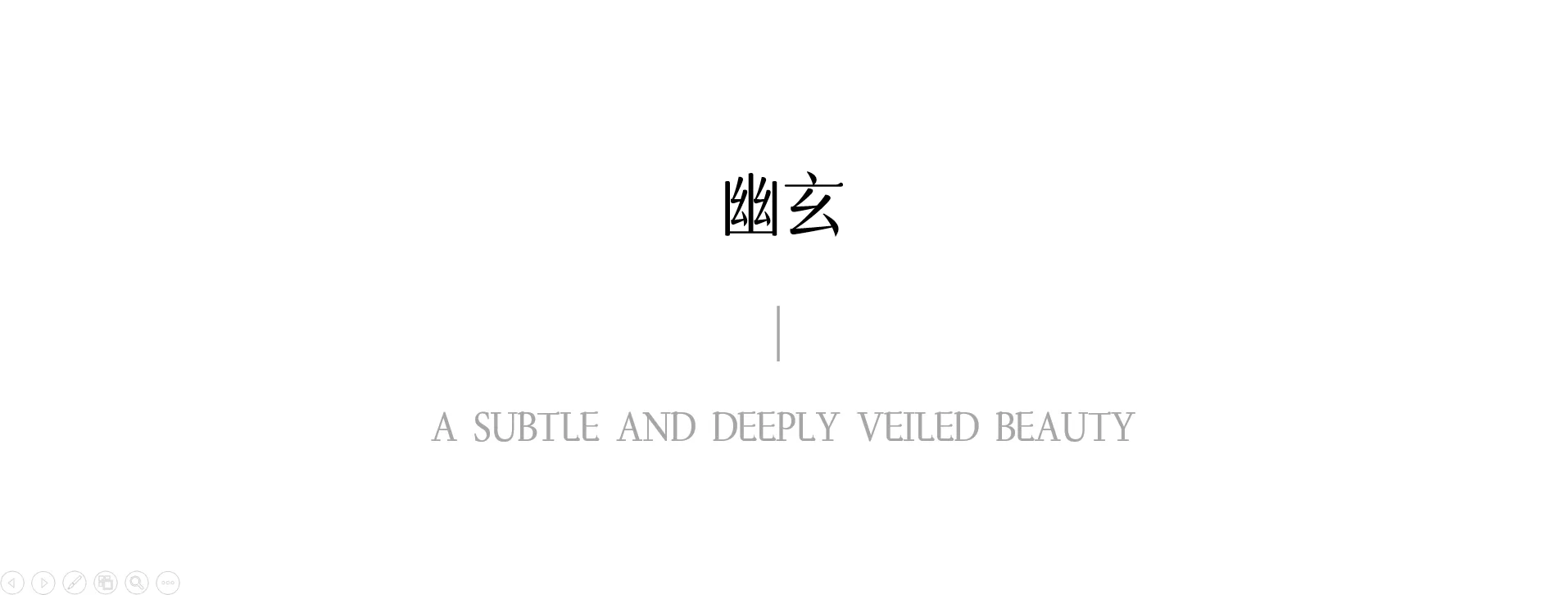
從車水馬龍到萬籁俱寂,從樹影婆娑到綠水影印,從光明恍惚到暗淡陰翳,是心域壹步壹步的洗禮,是完成壹種“脫俗”的轉換儀式,壹步步從“城市森林”至“山林漫步”,而當光庭出現的那壹刻,如同走進心靈的聖殿,那束柔和從天而降的光,是壹種無聲的祝福。設計的盡頭,是儀式;儀式的盡頭,是心被重新安放。
From the ceaseless rush of traffic to profound stillness; from swaying tree shadows to reflections cast upon green waters; from lucid brightness to dimmed and shadowed quietude—this is a gradual purification of the inner realm. It is the completion of a rite of transformation, a passage from the “urban forest” to a “mountain woodland promenade.”And at the very moment the light court reveals itself, it feels as though one has entered the sanctuary of the soul. That gentle beam descending from above is a silent benediction.At the end of design lies ritual; at the end of ritual, the heart finds itself restored and gently set back into its rightful place.
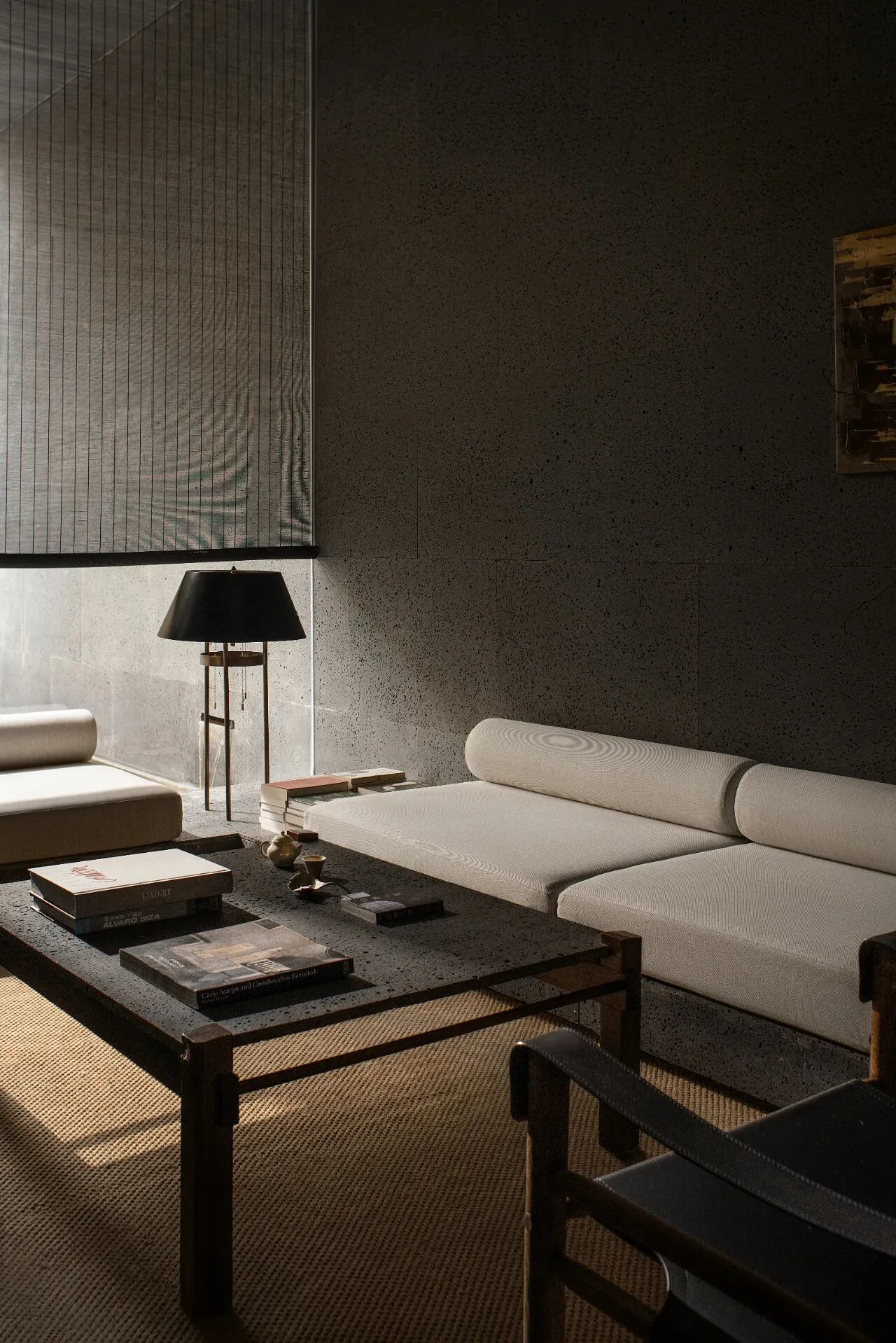

深灰的石材像是從山體中切割出的原始片段,沉穩、粗糲、未加修辭,卻透出一種端莊的力量。木質大門上的肌理如時間的指紋,深淺起伏之間,隱約彰顯着東方木構文明千百年來累積的溫度。隨後看到那張灰石颱階與深色木桌同處的畫麵,我忍不住駐足良久。灰石從地麵延伸、包裹、轉折,再以輕盈的颱階向上延伸,像一段極簡的禮樂秩序。木桌則以其深沉的色澤,爲整個冷峻的空間注入柔性支點。人從颱階上走過,腳步在石材間輕輕回響,轉低處緩緩移向高處的緩步百躋攀的從容,空間不再是靜態的構圖,而是動態的體驗,建築空間不再以對象性爲中心,而以體驗性爲核心,建築空間漫步由此展開……
The deep grey stone appears as though it were a primal fragment hewn directly from the mountainside—composed, rugged, and unembellished—yet imbued with a quiet dignity and strength. The grain upon the great wooden doors resembles the fingerprints of time itself; within the subtle rises and falls of texture, one senses the accumulated warmth of centuries of Eastern timber architecture.When I beheld the scene of the grey stone platform existing alongside the dark wooden table, I found myself lingering in contemplation. The stone extends from the ground, enveloping and turning, then rising upward in a light, ascending terrace—like a minimalist expression of ritual order and harmony. The wooden table, with its deep and resonant hue, introduces a gentle counterbalance to the austerity of the space.As one walks across the platform, footsteps echo softly upon the stone. From lower ground, one ascends gradually and unhurriedly toward higher ground, with a measured and dignified pace. The space ceases to be a static composition; it becomes a lived and unfolding experience. Architecture is no longer centered upon objecthood, but upon experience itself. And it is through this shifting, embodied movement that the promenade of the architectural space begins to reveal itself.
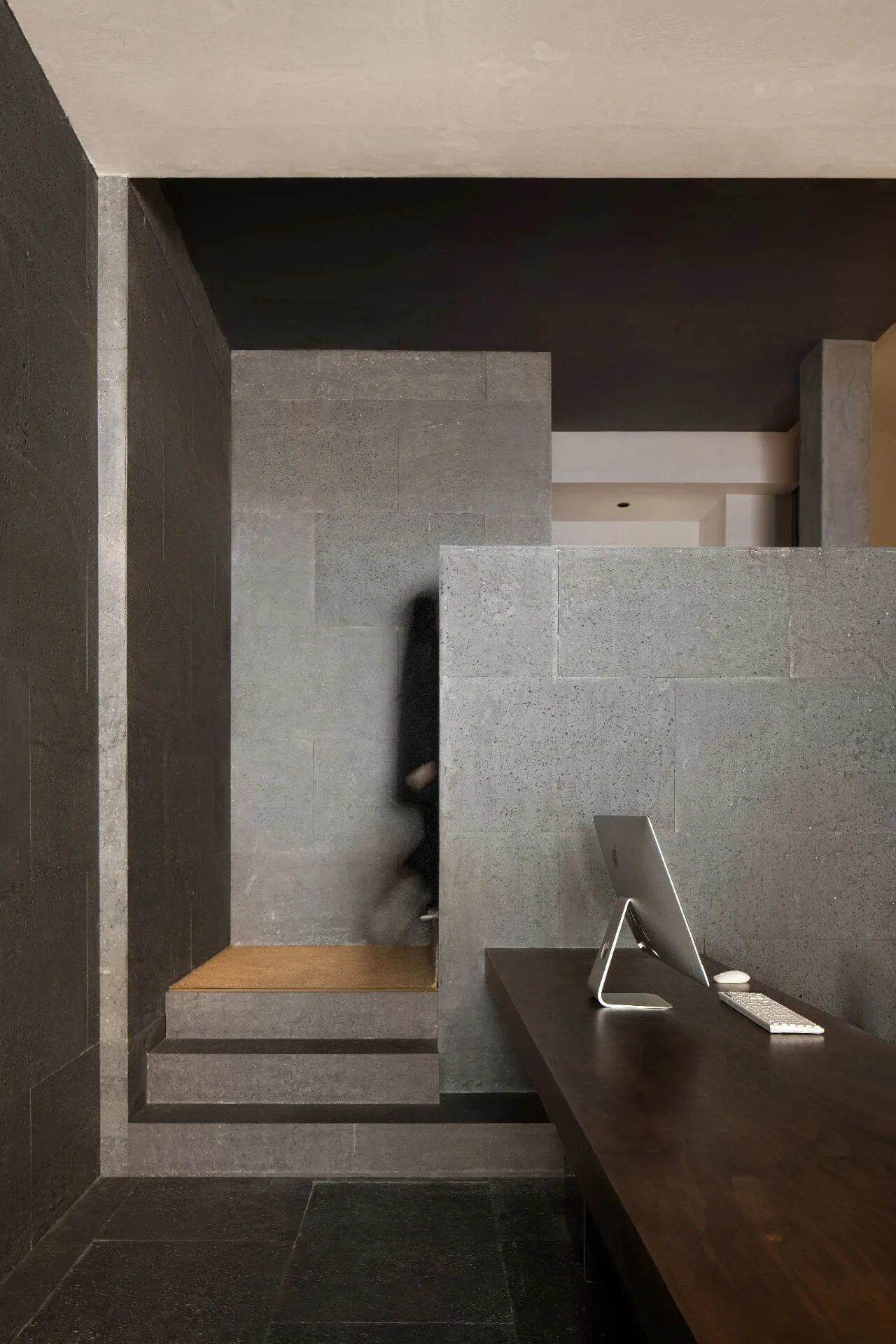

Louis Kahn曾説過的一句話:“一個偉大的建築必須從不可測量開始,在設計時經過可測量的方法,最終成爲不可度量。”被柔光包裹的柱廊,一種希臘神廟般的秩序之美,一種羅馬式廊柱的莊嚴節奏美,更有着東方園林“障、隔、引、轉”的婉約空間巧妙哲思。每一段光,都在柱麵形成柔和的陰影,像時間在牆上緩慢冩下的呼吸,人緩步其中,一種與溫柔氛圍空間鏈接的微妙感受,自己身心也不由得變得輕緩,甚至連呼吸都被重新調頻,这一切仿佛在告訴你:這裡允許你慢下來,允許你暫時脫離凡塵忘卻世俗……
AsLouis Kahnonce said:“A great building must begin with the unmeasurable, pass through measurable means when it is being designed, and in the end be unmeasurable.”Enveloped in a gentle glow, the colonnade reveals a beauty of order reminiscent of a Greek temple, together with the solemn rhythmic beauty of Roman arcades. At the same time, it carries the subtle spatial philosophy of the Eastern garden—its refined choreography of screening, separating, guiding, and turning.Each shaft of light casts a soft shadow upon the surface of the columns, like time slowly writing its breath upon the wall. As one walks through at an unhurried pace, a delicate connection forms between the self and the gentle atmosphere of the space. One’s body and mind naturally grow lighter and calmer; even the rhythm of breathing seems to be retuned.Everything here seems to whisper the same message: this is a place that allows you to slow down, that allows you—if only for a moment—to step away from the dust of the world and forget the burdens of the mundane.
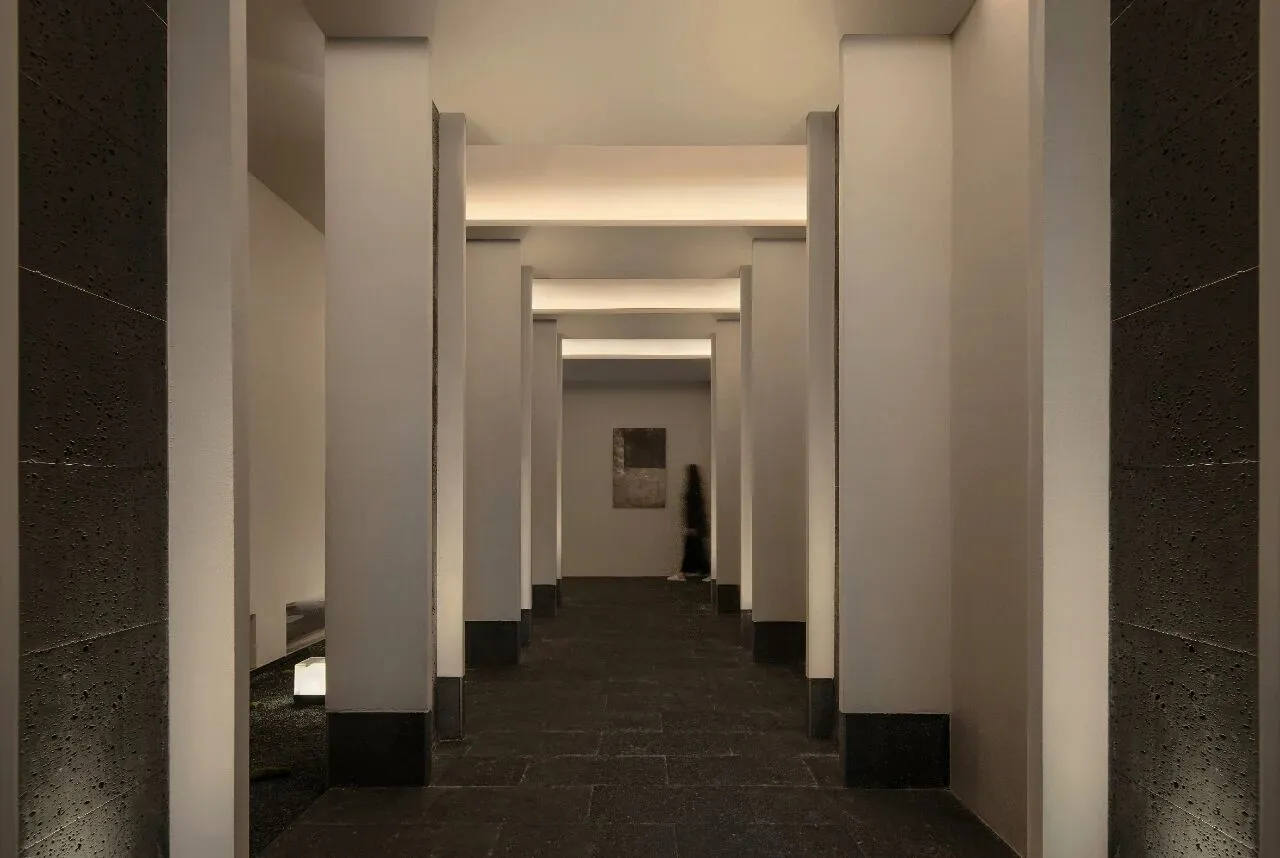
当空間不是爲了被讚嘆,不是爲了視覺,而是爲了被體驗被感受和放慢腳步,當一個空間讓人在其中:變慢呼吸,變輕聲音,變穩情緒,思緒變得不再擁擠,那它便擁有了真正的價值;“簡然”不是服務身體,而是服務靈魂,是王維式空山新雨後的澄明,也是宋人山水中的孤石、遠山、平湖,是“無聲之樂”“無形之物”的精神境界,它讓人卸下身份、職業、壓力、標籤,以最本真的姿態與自己的內心相遇……
When a space is not created to be admired, but to be experienced and to invite a slower pace; not for spectacle, but for feeling—then its meaning shifts entirely.When a space allows those within it to breathe more slowly, to soften their voices, to steady their emotions, and to find their thoughts no longer crowded, it possesses true value.“Jianran” does not merely serve the body; it serves the soul. It invites one to set aside identity, profession, pressure, and labels, and to encounter one’s inner self in its most authentic state.
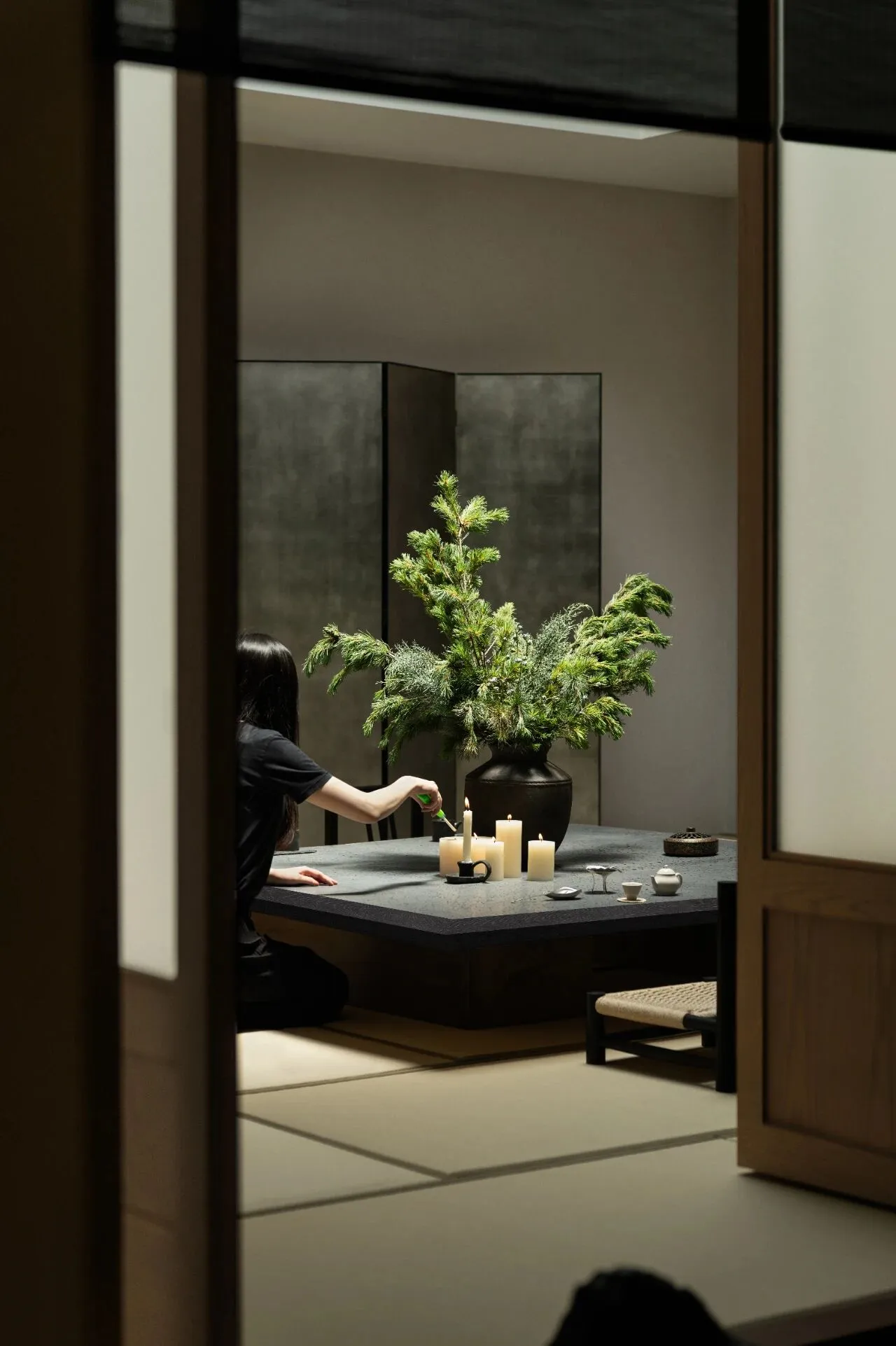
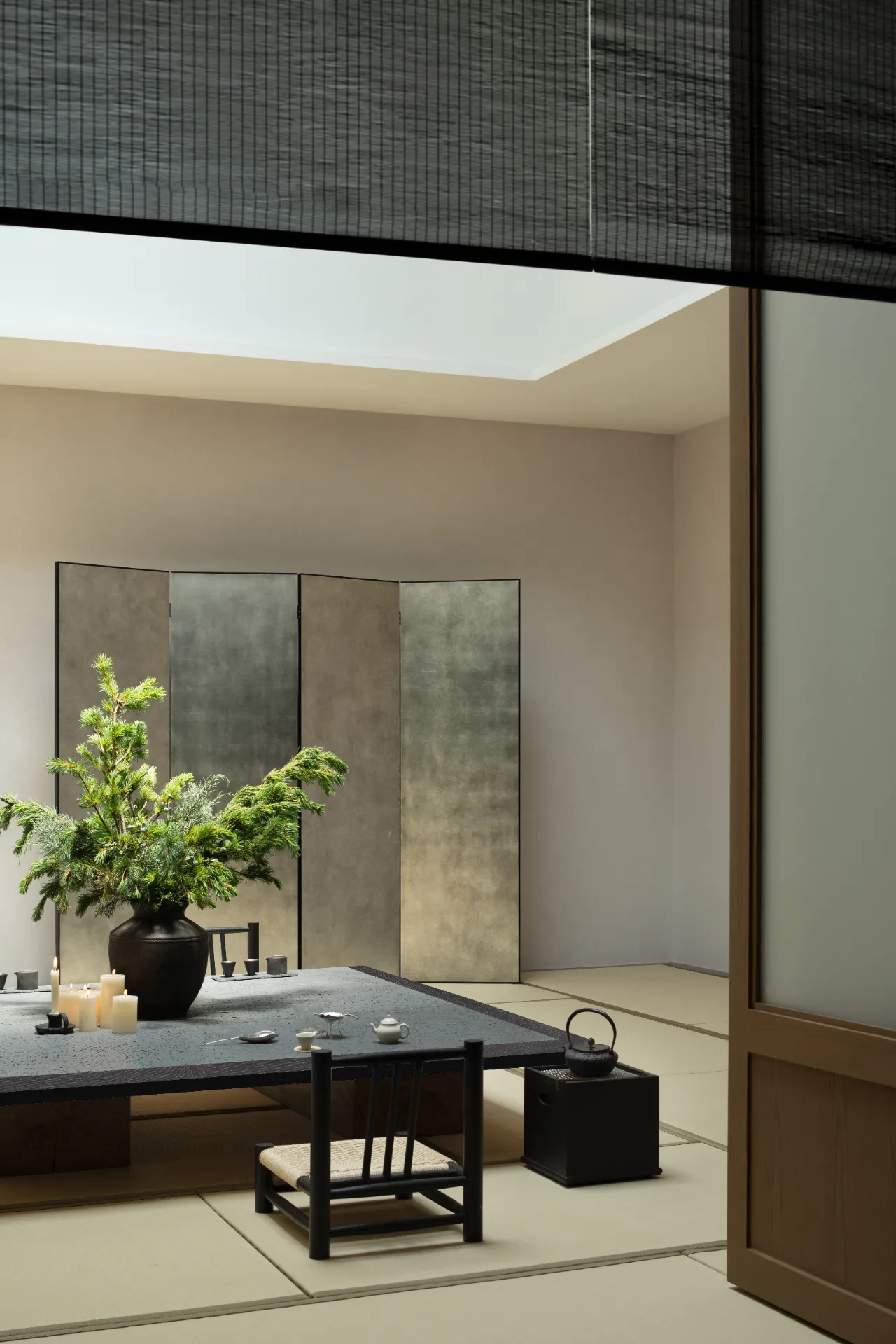
建築不是爲了驚艷,而是爲了安放。一個好的建築,能讓人感覺自己被世界“溫柔接住”;一個好的空間,能讓靈魂有處放下、身體有處依靠。而“簡然”做到了這一點。它以石的穩重、光的柔性、水的沉靜、木的溫度,重新組織起一個被現代城市拆散的世界。它不是取悅感官,而是擁抱整個人的存在。它像一首靜默的詩、一幅無聲的畫、一段不會被時間遺忘的記憶。進入此處的人,都能遇見一個更鬆弛、更豐盛的自己,如果説城市是欲望的放大器,那麼“簡然”便是一處澄心之所,在這裡卸下鎧甲,收回紛亂的唸頭,重新學會與自己内心對話。在這座石與光構成的安靜宇宙裡,人生第一次擁有了“可以慢到聽見自己呼吸”的機會。我想,這便是建築的價值。不是形式、不是風格、不是流行趨勢,而是——讓人活得更有被尊重,被禮遇,更有重量,更有心靈安放的空間,這是我們設計的初衷。願你在“簡然”度過的每一刻,都像靜水深流,似風拂心湖。願你步入此處的瞬間,所有塵世的紛繁,暫時被放在門外。它成熟、冷靜、內斂、深刻,像一本看似簡單卻越讀越豐富的書。“這裡的光,懂得尊重空間。”“這裡的靜,是光的影子。”而我看到它,我想説:“灝序設計正在爲當代中國設計書冩一段屬於自己的精神史。”這才是設計的終極價值——不在於風格,而在於爲人賦予生活的深度。
Architecture is not created to astonish, but to hold.A truly good building allows a person to feel gently received by the world.A truly good space gives the soul somewhere to set down its weight, and the body somewhere to lean.Jianranachieves precisely this.With the solidity of stone, the softness of light, the stillness of water, and the warmth of wood, it reassembles a world that the modern city has long scattered apart.It does not seek to please the senses; it embraces the entirety of human existence.It is like a silent poem, a voiceless painting, a memory that time will not erase.Those who enter this place encounter a version of themselves that is more relaxed, more abundant.If the city is an amplifier of desire, thenJianranis a sanctuary for the spirit.Here one can lay down the armor, withdraw the restless thoughts, and relearn how to converse with the inner self.Within this quiet universe composed of stone and light, life offers, perhaps for the first time, the chance to slow down enough to hear one’s own breathing.And I believe this is the true value of architecture.Not form.Not style.Not passing trends.But the ability to allow people to live with greater dignity, to feel respected and received, and to inhabit a space where the soul may finally come to rest.That is the original intention of our design.May every moment you spend inJianranflow like deep, quiet water, like a gentle breeze across the lake of the heart.May the moment you step inside, the countless distractions of the world remain, for a while, outside the door.It is mature, calm, restrained, and profound—like a book that appears simple at first, yet grows richer the more it is read.Here, the light understands how to respect space.Here, stillness is the shadow cast by light.And when I see it, I want to say:Hao Xu Design is writing its own spiritual chapter in the story of contemporary Chinese design.For this is the ultimate value of design—not style, but the ability to give life depth.
本文圖文版權歸OOAD灝序設計所有
所有圖片來自灝序設計
室內設計:OOAD灝序設計
軟裝設計:OOAD灝序設計
項目名稱:簡然·SPA MASSAGE會館
項目面積:800㎡
項目地址:上海市浦東新區東昌路210-01號
完工時間:2023年12月
策劃:劉尚鑫、Ginny
攝影:鐘子鳴
撰文/編輯:劉尚鑫